As cities continue to expand and transportation networks become more advanced, efficient outdoor lighting has become an essential part of modern infrastructure. LED street lights have transformed the way roads, highways, and public spaces are illuminated by offering superior performance, lower energy consumption, and longer service life compared to traditional lighting systems.
Whether installed on urban roads, residential streets, highways, or industrial zones, LED street lights provide reliable illumination that enhances visibility, improves safety, and reduces operational costs for municipalities and businesses alike.
Improved Road Safety
One of the biggest advantages of LED street lighting is its ability to provide bright, uniform illumination. Better visibility allows drivers, cyclists, and pedestrians to clearly identify road signs, obstacles, intersections, and lane markings, significantly reducing the risk of nighttime accidents.
Consistent lighting also minimizes dark spots and glare, creating a safer environment for everyone using the road.
Significant Energy Savings
LED street lights consume considerably less electricity than conventional sodium or metal halide lamps. Their high energy efficiency enables cities and organizations to reduce power consumption while maintaining excellent lighting performance.
Lower energy usage not only decreases operational expenses but also supports sustainable urban development.
Longer Lifespan and Reduced Maintenance
Modern LED street lights are engineered for long-term reliability. Their extended lifespan means fewer replacements and reduced maintenance requirements, making them an economical solution for roads, highways, parking areas, and public infrastructure.
This helps municipalities minimize maintenance disruptions while lowering long-term operating costs.
Environmentally Friendly Solution
LED lighting contributes to a greener future by reducing energy consumption and carbon emissions. Unlike many traditional lighting technologies, LED fixtures contain no hazardous materials such as mercury and generate less environmental waste over their lifetime.
This makes them an environmentally responsible choice for modern cities and smart infrastructure projects.
Better Light Quality
LED street lights deliver high-quality white light with excellent color rendering. This allows drivers and pedestrians to distinguish objects, vehicles, and surroundings more accurately than with older lighting technologies.
Improved light quality also enhances the appearance of roads, commercial districts, parks, and public spaces.
Smart City Compatibility
Many modern LED street lighting systems can be integrated with smart city technologies. Features such as remote monitoring, automated dimming, motion sensing, and adaptive brightness control help optimize energy consumption while improving maintenance efficiency.
These intelligent lighting systems are becoming a key component of future-ready urban infrastructure.
Applications of LED Street Lights
LED street lights are suitable for a wide variety of outdoor environments, including:
- Urban roads and city streets
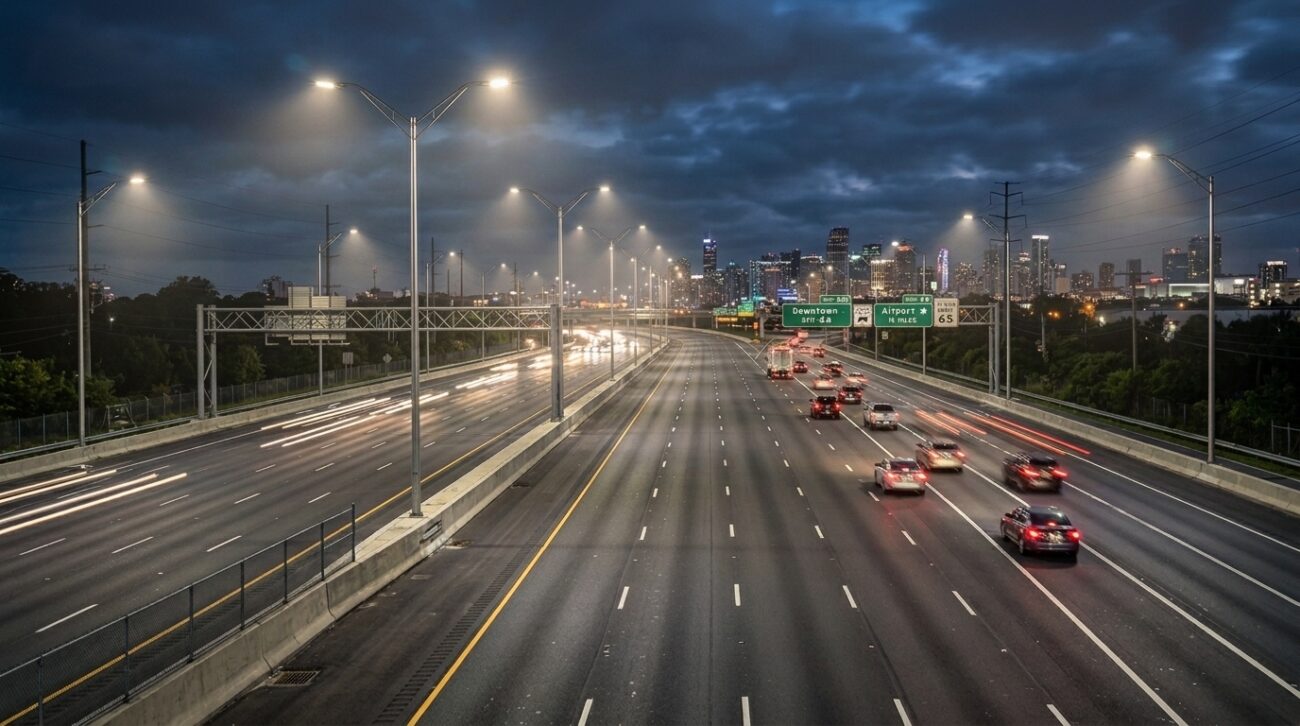
- National highways and expressways
- Residential communities
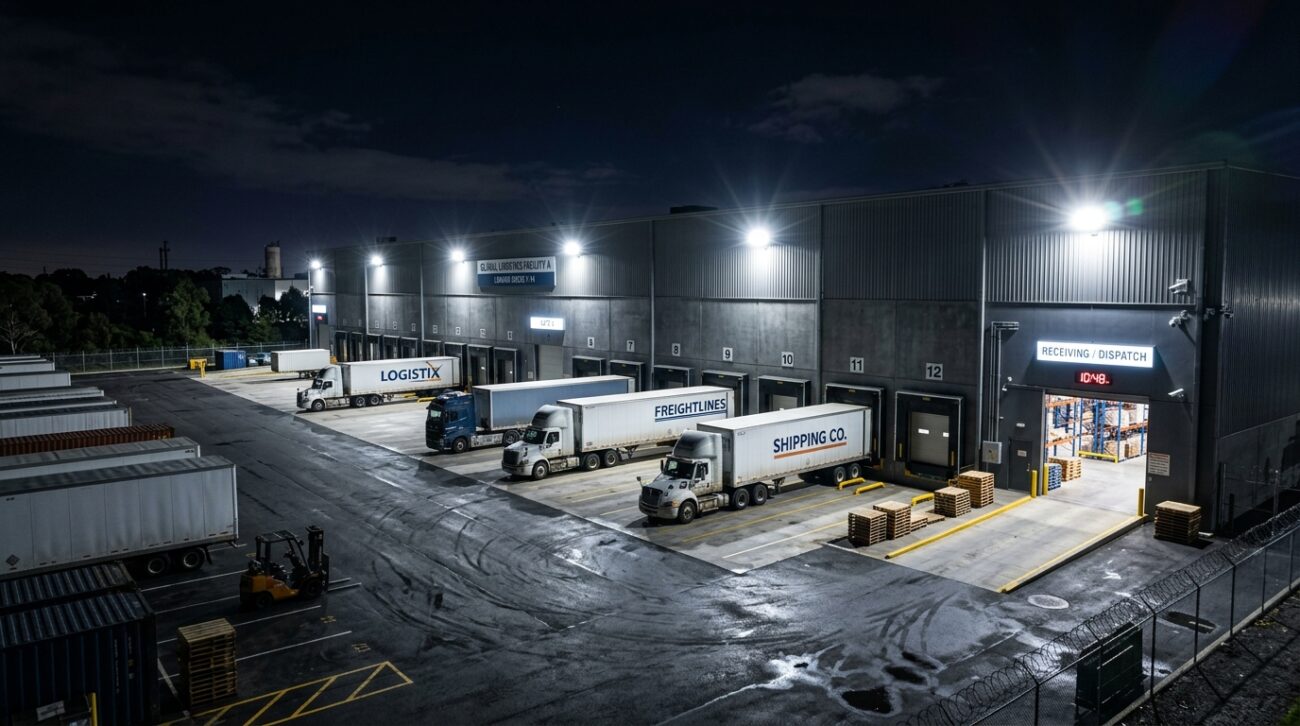
- Industrial areas
- Parking lots
- Commercial districts
- Parks and public spaces
- Campuses and institutional facilities
Conclusion
LED street lights have become the preferred choice for modern cities due to their outstanding energy efficiency, long lifespan, superior lighting quality, and reduced maintenance requirements. By improving road safety while lowering operational costs, they provide a sustainable lighting solution that benefits governments, businesses, and communities alike.
As urban infrastructure continues to evolve, investing in high-quality LED street lighting is an important step toward creating safer, smarter, and more energy-efficient cities.