Choosing the right flood light is essential for achieving reliable illumination, improved security, and long-term energy savings. Whether you’re lighting a commercial building, industrial facility, sports area, or outdoor landscape, selecting the correct flood light ensures optimal performance and durability.
Consider the Installation Area
The first step is identifying where the flood light will be installed. Different environments require different lighting levels and beam angles.
Common applications include:
- Commercial buildings
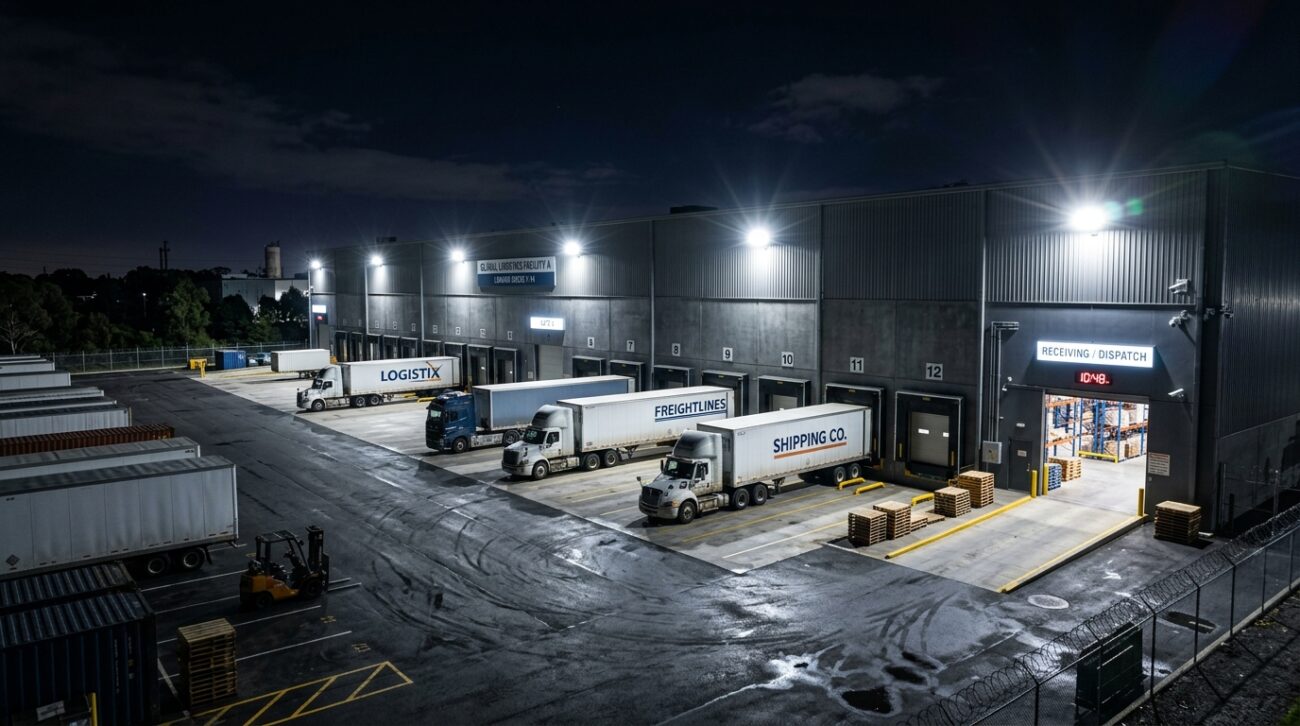
- Warehouses
- Parking lots
- Sports grounds
- Construction sites
- Building facades
- Outdoor landscapes
- Security lighting
Select the Appropriate Brightness
Flood lights are available in various wattages and lumen outputs. Smaller spaces require moderate brightness, while large open areas need higher-output fixtures for consistent illumination.
Choosing the correct brightness helps avoid both under-lighting and excessive energy consumption.
Choose the Right Beam Angle
Beam angle determines how light is distributed across an area.
- Narrow Beam: Ideal for focused lighting on signs, monuments, or architectural features.
- Medium Beam: Suitable for entrances, parking spaces, and small outdoor areas.
- Wide Beam: Best for stadiums, warehouses, construction sites, and large open spaces.
Check Weather Resistance
Outdoor flood lights should have a durable, weather-resistant housing capable of withstanding rain, dust, heat, and changing environmental conditions.
Look for fixtures designed specifically for long-term outdoor performance.
Prioritize Energy Efficiency
Modern LED flood lights consume significantly less electricity while delivering powerful illumination. They also produce less heat and require minimal maintenance compared to traditional lighting systems.
This results in lower operating costs and improved long-term value.
Consider Color Temperature
The color temperature affects both visibility and the appearance of the illuminated area.
- 3000K: Warm white for decorative lighting.
- 4000K: Neutral white for commercial environments.
- 5000K–6500K: Cool white for industrial areas, security, and sports facilities.
Look for Long Lifespan
High-quality LED flood lights are built to operate for thousands of hours with minimal maintenance. A longer lifespan reduces replacement frequency and maintenance costs.
Conclusion
The right flood light depends on your application, required brightness, beam angle, durability, and energy efficiency. By choosing a high-quality LED flood light, you can improve visibility, enhance security, reduce electricity costs, and ensure reliable performance for years to come.