Lighting technology has evolved rapidly over the past decade, and LED lighting continues to lead the way in innovation. With increasing demand for energy efficiency, sustainability, and smart infrastructure, LED solutions are shaping the future of residential, commercial, and industrial lighting.
From intelligent street lighting systems to advanced industrial fixtures, LED technology is transforming how we illuminate our surroundings while reducing energy consumption and maintenance costs.
Smarter Lighting Systems
Modern LED lighting is becoming increasingly intelligent through integration with smart technologies. Features such as remote monitoring, motion sensors, automatic dimming, and programmable schedules allow lighting systems to operate more efficiently while reducing unnecessary energy use.
Smart LED solutions are already playing a major role in the development of smart cities around the world.
Greater Energy Efficiency
Future LED products will continue to deliver higher brightness while consuming even less electricity. Advances in LED chips and driver technology are improving overall performance, allowing businesses and municipalities to reduce operating costs without compromising illumination quality.
This makes LED lighting one of the most cost-effective investments for long-term infrastructure.
Sustainable and Eco-Friendly
Sustainability remains one of the biggest drivers behind LED adoption. Compared to conventional lighting technologies, LEDs consume less energy, produce lower carbon emissions, and have a significantly longer lifespan.
As environmental regulations become stricter, LED lighting will continue to support greener buildings and sustainable urban development.
Better Lighting Performance
Continuous innovation is improving light quality, color consistency, and optical performance. Future LED fixtures will provide more uniform illumination, reduced glare, and enhanced visibility for roads, workplaces, sports facilities, and commercial environments.
These improvements contribute to greater comfort, productivity, and safety.
Integration with Smart Cities
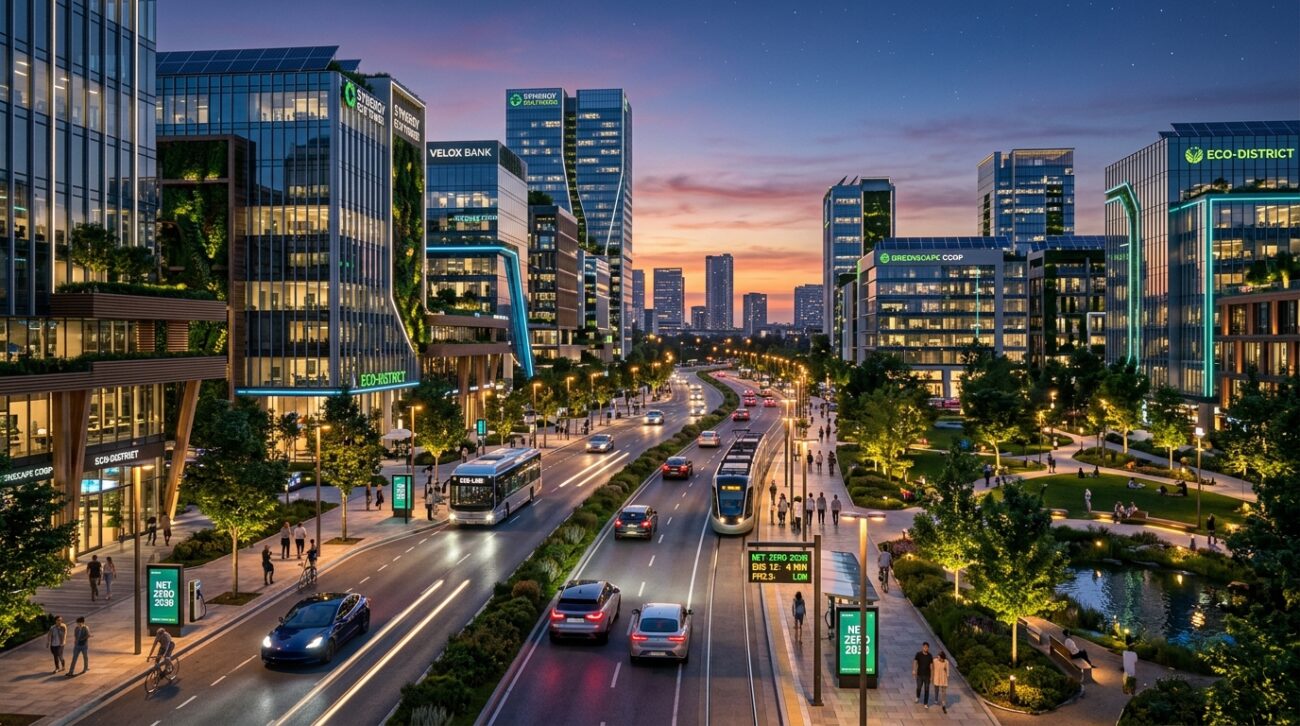
LED street lighting is becoming a key component of smart city infrastructure. Connected lighting networks can collect valuable data, support traffic management, improve public safety, and optimize maintenance through real-time monitoring.
These intelligent systems help cities become more efficient and responsive.
Advanced Industrial Applications
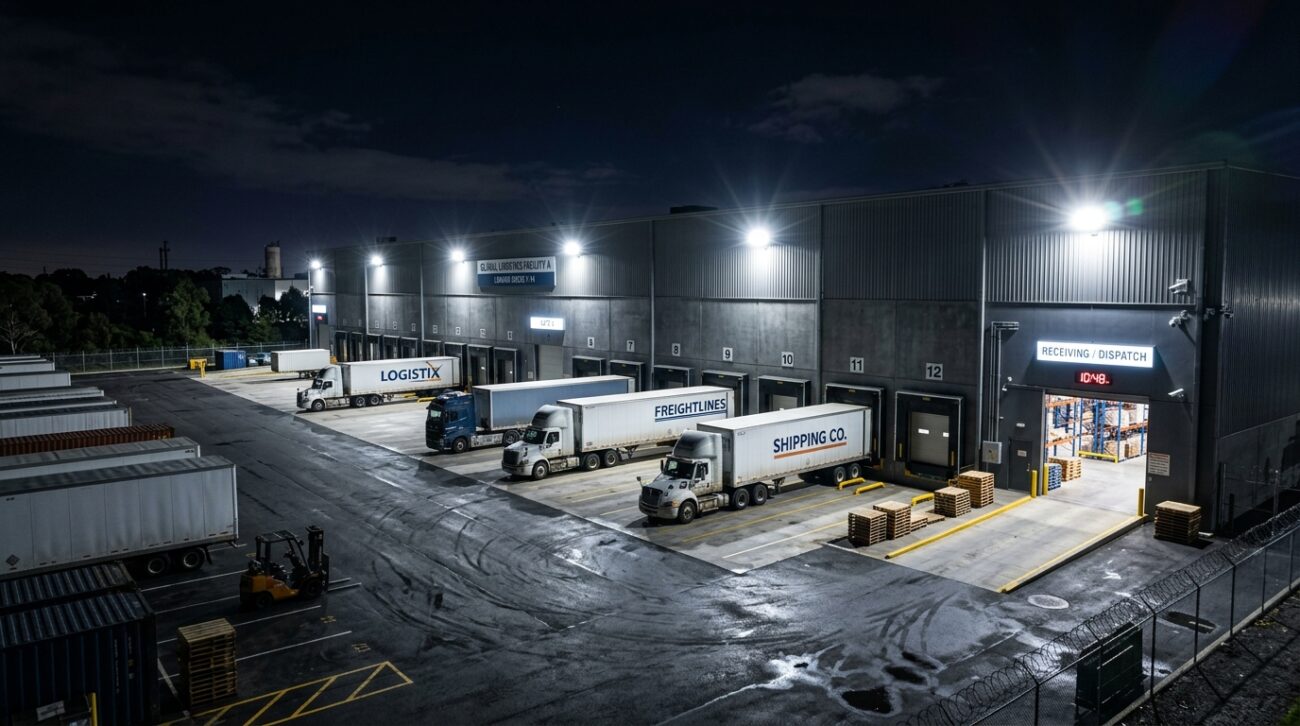
Industrial facilities are increasingly adopting LED lighting for warehouses, factories, logistics centers, and manufacturing plants. Future developments will focus on higher efficiency, rugged designs, and intelligent control systems that adapt lighting based on operational requirements.
Emerging Trends in LED Lighting
- Smart lighting automation
- Internet of Things (IoT) integration
- Solar-powered LED lighting
- Human-centric lighting solutions
- Improved energy efficiency
- AI-powered lighting management
- Longer product lifespan
- Sustainable manufacturing
Conclusion
The future of LED lighting is driven by innovation, efficiency, and sustainability. As technology continues to advance, LED solutions will become even smarter, more reliable, and more energy-efficient, helping businesses, industries, and cities create safer and more sustainable environments.
Investing in modern LED lighting today is not just about reducing energy costs—it’s about preparing for the next generation of intelligent lighting solutions.